
D-CRBN and ArcelorMittal trial CO₂-to-CO plasma at Ghent
- D-CRBN’s plasma unit was connected to the carbon-capture pipeline on 1 July 2024 for the first industrial trial at ArcelorMittal Ghent.
- The process uses renewable electricity and plasma to break the C–O bond in CO₂, producing carbon monoxide that can substitute part of coke/metallurgical coal or serve chemical/fuel plants, including the Steelanol facility.
- MHI’s Advanced KM CDR Process™ provides the high-purity CO₂ feed, capturing blast-furnace off-gases and hot-strip mill reheating-furnace off-gases at Ghent.
- ArcelorMittal targets a 35% reduction in CO₂ emissions in Europe by 2030 and is testing Smart Carbon routes including CCU, CCS and circular carbon in the blast furnace.
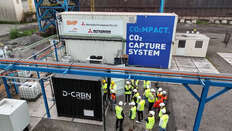
The trial
A plasma pilot unit developed by D-CRBN was connected to the carbon-capture pipeline at ArcelorMittal Ghent on 1 July 2024. This is the first industrial test of D-CRBN’s CO₂-to-CO plasma technology and expands the multi-year carbon capture pilot already under way at the site.
How the technology works
D-CRBN uses renewable electricity to power plasma that breaks the carbon–oxygen bond in CO₂ and converts it into carbon monoxide (CO). The produced CO can act as a reductant in steelmaking—replacing part of coke or metallurgical coal—or be routed as feedstock to chemical or alternative fuel production, including the Steelanol plant in Ghent.
Integration and objectives
A pipeline between MHI’s carbon-capture unit and D-CRBN’s pilot was installed to test whether CO₂ captured by MHI’s Advanced KM CDR Process™ (which treats blast-furnace and reheating-furnace off-gases) is sufficiently pure for the plasma process and product gas quality.
Context and timeline
The site has been testing MHI’s technology as part of a multi-year trial announced in October 2022; in May 2024 ArcelorMittal, MHI, BHP and Mitsubishi Development reported successful start-up of a pilot carbon-capture unit at Ghent. The activities support ArcelorMittal’s broader decarbonisation routes toward its 2030 emissions target.
Source: D-CRBN