
SunGas ends Beaver Lake bio-methanol project
- Project would have combined three S1000 syngas systems to produce about 553,000 metric tons per year of low-carbon methanol.
- Planned geological storage capacity for biogenic CO2 was approximately 1.1 million metric tons per year.
- SunGas cites slower-than-expected market adoption of low-carbon methanol, uncertainty on carbon capture and storage, and regulatory and financing constraints.
- SunGas will pursue third-party opportunities for its S1000 system and continue offering related products and engineering services.
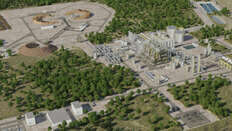
Project cessation
SunGas will cease development of the Beaver Lake Biofuels project, a proposed wood fiber-to-low carbon methanol facility in Central Louisiana near Alexandria.
Planned capacity and technology
The Beaver Lake design combined three SunGas S1000 syngas production systems with downstream units to target about 553,000 metric tons per year of low carbon methanol and planned geological storage of roughly 1.1 million metric tons per year of biogenic CO2.
Reasons for stopping development
SunGas said the project could not advance on the required timetable due to a mix of factors: slower-than-expected market adoption of low-carbon marine fuels (specifically low carbon methanol), uncertainty regarding the carbon capture and storage pathway, and unclear regulatory support and financing conditions for a project of that scale.
Next steps
SunGas stated it remains convinced low carbon methanol can support decarbonisation of maritime, aviation and chemicals sectors, and will continue to engage third-party customers for the S1000 system while offering its products and engineering services to other projects.
Source: SunGas