
ProLogium and Elysian sign MoU to evaluate next‑generation batteries for large electric aircraft
- June 18, 2026: ProLogium and Elysian signed an MoU to explore next‑generation batteries for all‑electric aircraft.
- Partnership targets pack‑level energy densities of 320–420 Wh/kg for battery packs.
- Design goal is to support large battery‑electric aircraft with ranges of 750–1,000 km.
- Collaboration will assess safety, certification, weight efficiency and European supply‑chain localization to reduce lifecycle carbon footprint.
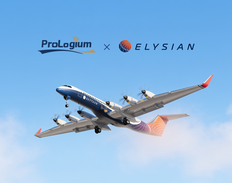
MoU and scope
On June 18, 2026 ProLogium and Elysian Aircraft signed a Memorandum of Understanding to assess the application of next‑generation battery cells in all‑electric aircraft and to explore joint development and integration into battery modules and packs for future aviation uses.
Technical validation
The collaboration defines two validation tracks: standard validation to evaluate compatibility of existing next‑generation battery platforms with aircraft battery systems, and customized validation to develop battery designs tailored to aviation specifications and performance objectives. The parties are targeting pack‑level energy densities in the 320–420 Wh/kg range to support large battery‑electric aircraft with target ranges of 750–1,000 km.
Safety, certification and supply chain
The companies note aviation places stringent demands on energy density, safety, reliability, weight management and certification, requiring careful validation and long‑term development. They will also assess local European supply and manufacturing capabilities to shorten transport distances, strengthen resilience and reduce overall lifecycle carbon footprint.
Leadership comments
ProLogium CEO Vincent Yang said rigorous assessment and validation are essential given aviation’s high demands on energy density, safety and weight efficiency. Elysian Co‑CEO and CTO Rob Wolleswinkel emphasized that cell performance alone is insufficient and that the MoU will help examine how next‑generation battery technology can enable safe, scalable zero‑emission aviation.
Source: ProLogium