
Port of Rotterdam Authority rejects demands to force fossil-fuel cuts
- The Port Authority commits to a climate-neutral port by 2050 and integrates CO2 reduction into decision-making.
- It says it cannot force companies to cease legal fossil-fuel activities because that would conflict with Dutch and EU policy and exceed its role.
- Limiting activities locally would likely shift emissions elsewhere, risk energy security and harm the competitiveness of European industry.
- The Port Authority will continue executing its Climate Transition Plan and is refining transition scenarios to 2050 while facilitating projects like biofuels and hydrogen plants.
Position and remit
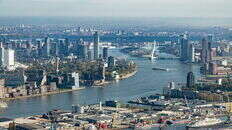
The Port Authority reiterates its commitment to the Paris Agreement and states that "climate neutral and circular" is a core strategic focus. It says reducing CO2 influences its decisions and projects, and that it was founded to strengthen Rotterdam's port and industrial area by leasing sites and developing infrastructure.
Why it cannot force firms
The authority argues it cannot comply with Advocates for the Future's demand to force companies to limit fossil-fuel activities because doing so would not align with current European and Dutch climate policy, and would exceed its legal and political remit. It notes its shareholders are the municipality of Rotterdam and the Dutch state, and that many fossil activities in the port have been designated by government as vital to society, including refining, gas import and basic chemical production.
On local bans and emissions
The Port Authority says local restrictions would likely displace production and imports to other regions, creating a "waterbed effect" that does not reduce global CO2. It warns of consequences for energy security, affordability and the competitiveness of industry, and notes companies are already postponing sustainability investments due to an unfavourable investment climate and weak demand for sustainable products.
Ongoing actions
It will continue to implement the Climate Transition Plan, refine scenarios to 2050 and facilitate projects in the port—citing the largest biofuels cluster in Europe and two large hydrogen plants under construction—and remains open to dialogue with stakeholders.
Source: Port of Rotterdam