
LANXESS converts Krefeld-Uerdingen spray dryer to hydrogen fuel
- Switch from natural gas to hydrogen for drying iron oxide pigments reduces CO₂ by ~6,000 metric tons per year.
- Hydrogen is a byproduct from chlorine electrolysis at adjacent Covestro and is piped directly to the LANXESS plant.
- The hydrogen burner was installed end of 2025 and has been brought online gradually; the system can run entirely on hydrogen.
- Project leverages Verbund site integration—short pipelines, shared infrastructure and established safety concepts—for reliable supply.
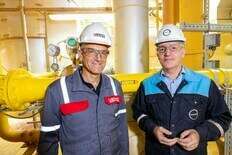
Project overview
LANXESS has replaced the natural‑gas burner on its iron‑oxide pigment spray dryer at the Krefeld‑Uerdingen site with a hydrogen burner, making the dryer one of the first large‑scale industrial plants in Germany to operate continuously on hydrogen. The change is expected to lower LANXESS’s carbon footprint by about 6,000 metric tons of CO₂ per year.
Supply and technical integration
Hydrogen is supplied as a byproduct of chlorine electrolysis at the neighbouring Covestro plant and transported directly via pipeline. LANXESS installed the hydrogen burner at the end of 2025 and has been commissioning it gradually. The installation includes a dedicated hydrogen line, an adapted burner, measurement and control technology, and additional safety and control systems, and is designed to run entirely on hydrogen.
Site collaboration and context
The companies attribute the project’s feasibility to the Verbund site’s close integration: short pipeline routes, shared infrastructure and established safety concepts. LANXESS and Covestro already exchange intermediates at the site (nitrobenzene/aniline flows), and the hydrogen supply adds a climate‑relevant element to that partnership.
Business context
LANXESS operates the world’s largest iron‑oxide pigment facility at Krefeld‑Uerdingen. The company cites its Laux process as a reason for a comparatively low carbon footprint in its pigments production because the process produces virtually no waste and is energy efficient.
Source: Lanxess