
Indaver pauses processing of highly PFAS-contaminated waste
- Authorities ordered Indaver's Antwerp site to temporarily stop accepting four highly PFAS-contaminated waste streams, two of which Indaver had already discontinued.
- Processing of these streams is suspended while additional measurements are taken at the facility and surrounding area to verify operational emissions and impact.
- Indaver will expand its measurement and analysis program and share data with authorities, with analyses to follow scientifically validated methods within a clear framework.
- Recent soil testing found limited contamination attributed mainly to historical sources, prompting a soil remediation project and expanded monitoring of soil and crops.
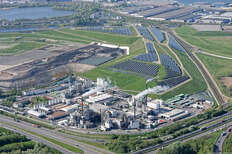
Temporary suspension
Authorities have asked Indaver to temporarily stop accepting four highly PFAS-contaminated waste streams at its Antwerp site; two of those streams had already been discontinued by Indaver. The suspension is a precaution while further investigations and additional measurements are carried out at the facility and in the surrounding area.
Investigation and monitoring
Processing of the affected streams remains halted pending additional measurements to verify operational emissions and environmental impact. The government has requested that Indaver expand its measurement and analysis program; any further analyses should follow scientifically validated methods and be conducted within a clear framework.
Existing data and cooperation
Indaver reports an extensive dataset compiled from years of measurements using validated methods and shares this data with authorities; it has committed to cooperate constructively and broaden the dataset in response to the government's request.
Soil contamination and remediation
Recent soil testing identified limited contamination in the surrounding area, attributed mainly to historical sources. A soil remediation project and an extensive monitoring program for soil and crops are being launched, and Indaver says it is in open dialogue with stakeholders.
Source: Indaver