
Heidelberg Materials commissions 1.25 Mt/yr Airvault kiln line to improve efficiency and reduce CO2
- New dry kiln with modern pre‑calciner replaces two semi‑dry clinker lines and provides 1.25 Mt/yr clinker capacity
- Modernisation costs over €350 million, with partial funding from the French government
- Project enables ~90% of the plant's energy demand from alternative fuels, reduces electricity use per tonne by ~10%, and lowers clinker share, cutting CO2 per tonne by ~30%
- Plans include using calcined clay to substitute clinker and the AirvaultGOCO2 CCUS project targeting ~1 Mt CO2/yr capture to support a <400 kg CO2/t cementitious 2030 target and Net Zero by 2050
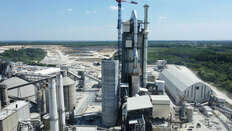
Kiln commissioning
Heidelberg Materials France has commissioned a new dry kiln line with a modern pre‑calciner at the Airvault cement plant in Nouvelle‑Aquitaine, replacing two semi‑dry clinker lines and providing 1.25 million tonnes/year clinker capacity.
Efficiency and emissions
The modernisation enables around 90% of the plant’s energy demand to be met by alternative fuels, cuts electricity use per tonne by about 10%, lowers the clinker share in cement and reduces the plant’s CO2 footprint by almost 30% versus prior production.
Investment and material strategy
The upgrade costs over €350 million and is partly funded by the French government; the site will use calcined clay as a clinker substitute because clay calcination generates substantially lower CO2 emissions than clinker production.
CCUS and decarbonisation roadmap
The AirvaultGOCO2 carbon capture, utilisation and storage project aims to capture roughly 1 million tonnes CO2 per year and has received an EU Innovation Fund grant; the transformation supports targets to reduce net specific Scope 1 emissions below 400 kg CO2 per tonne cementitious by 2030 and to reach Net Zero by 2050.
Source: Heidelberg Materials