
BASF opens world's first industrial 3D‑printed catalyst plant in Ludwigshafen
- 2026-03-19: BASF started up its Ludwigshafen plant for X3D 3D-printed catalysts, scaling additive catalyst manufacturing to industrial scale.
- 2025: An Hui Jintung loaded its plant with BASF's sulfuric acid catalyst O4-115 X3D and reported higher throughput and record production.
- X3D catalysts (for precious and base metals and multiple supports) use optimized 3D geometries to cut pressure drop, raise active surface area, lower energy use and boost reactor throughput.
- The new plant is intended to expand supply of X3D products and shorten development and market-introduction timelines.
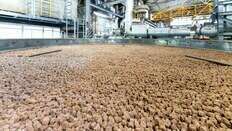
Plant startup
On March 19, 2026, BASF started up the world’s first industrial production plant for catalysts based on X3D technology at its Ludwigshafen site, scaling additive catalyst manufacturing to industrial scale.
Technology and performance
X3D uses additive manufacturing to produce catalyst bodies with optimized 3D geometries that combine mechanical stability and open structure; this reduces reactor pressure drop, increases catalytically active surface area, raises reactor throughput, improves product quality and lowers energy consumption compared with conventional catalysts.
Materials and applications
The technology is applicable to a broad range of catalyst materials, including precious and base metal catalysts and various support materials, allowing tailored designs for specific chemical processes.
Customer validation
In 2025 An Hui Jintung filled a production unit with BASF’s sulfuric acid catalyst O4-115 X3D and reported a smooth start-up, significantly improved plant performance, record production and tangible economic benefits.
Scale-up objective
The new Ludwigshafen facility is intended to expand supply of X3D products and shorten development and market-introduction timelines for wider industrial deployment.
Source: BASF