
Alterra to lead feedstock and feasibility study for Viva Energy and Cleanaway
- The study will assess integrating Alterra’s liquefaction technology at Viva Energy’s Geelong Refinery.
- The process is intended to convert soft plastic waste into plastic pyrolysis oil for manufacturing new food-grade plastic.
- A techno-economic analysis will support development of a full-scale facility.
- Viva Energy has processed Alterra’s pyrolysis oil at scale, demonstrating compatibility with existing infrastructure.
Study scope
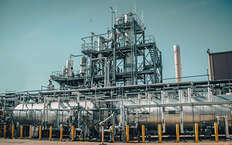
Alterra will lead a feasibility and feedstock study for Viva Energy Australia and Cleanaway Waste Management. It will assess integration of Alterra’s liquefaction technology at Viva Energy’s Geelong Refinery to convert hard-to-recycle soft plastics into plastic pyrolysis oil (PPO), a feedstock for manufacturing new food-grade plastic.
The study will include a techno-economic analysis to support development of a full-scale facility.
Technology track record
Alterra reports nearly 20,000 hours of continuous operation at its industrial plant, more than 90% uptime and over 70% feedstock-to-oil conversion. The company says it has delivered almost 150,000 barrels of circular oil to customers.
Viva Energy has processed Alterra’s PPO at scale, demonstrating compatibility with its existing infrastructure.
Source: Alterra